Why an Emergency Dentist Is Essential After a Fall
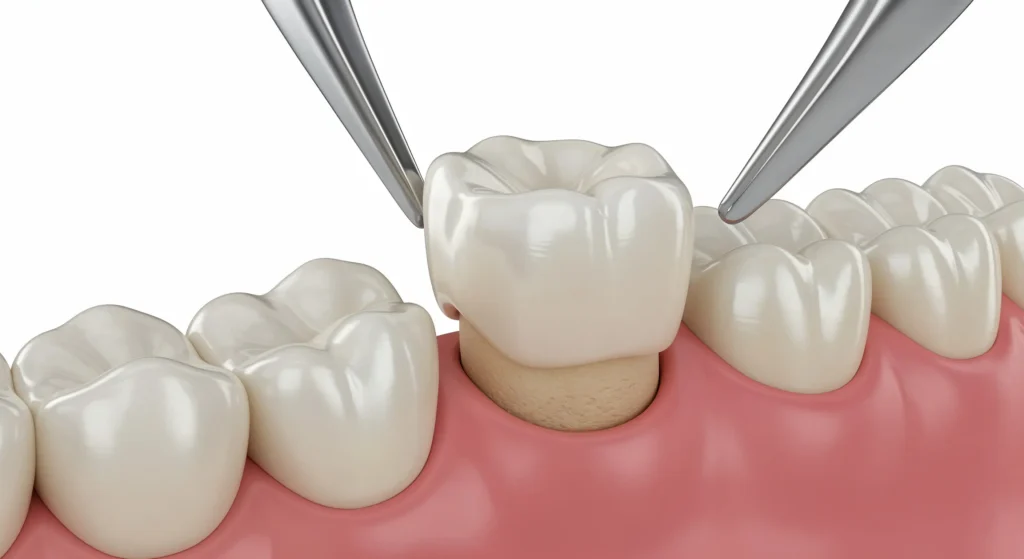

A fall can look minor and still cause significant dental damage. That mismatch catches people off guard all the time. Someone slips on a wet kitchen floor, misses a step off a curb, tumbles off a bike, or takes an elbow during a weekend basketball game. They stand up, feel shaken, maybe notice a split lip or a chipped tooth, and assume they can wait a few days. In practice, that delay often makes a manageable dental injury more painful, more expensive, and harder to repair.
Teeth and the surrounding structures do not respond to trauma in simple ways. A tooth can fracture beneath the gumline and look intact at first glance. A front tooth can loosen because the ligament around it has been stretched or torn, even if there is no dramatic bleeding. Jaw movement can seem normal while a hairline fracture or bite displacement is developing. This is exactly why an Emergency Dentist matters after a fall. The role is not limited to pain relief. It is about identifying hidden damage quickly, protecting the tooth and bone, and making decisions during a narrow window when treatment has the best chance of success.
Falls create dental injuries that are easy to underestimate
Most people imagine dental trauma as a knocked-out tooth and a mouth full of blood. That does happen, but many post-fall injuries are subtler. A patient may report that a tooth feels “different” when biting into toast. Another may notice cold water suddenly triggers a sharp zing in a tooth that looked fine in the mirror. Children often continue playing after a fall and only mention pain at bedtime. Adults do the same, especially when they are embarrassed, rushed, or distracted by what seems like a more obvious bruise on the knee or wrist.
The teeth themselves are only part of the picture. A fall can injure enamel, dentin, pulp, the periodontal ligament, surrounding bone, soft tissue, and the temporomandibular joint. Any one of those structures can be damaged alone or in combination. That is why quick clinical assessment matters. An experienced dentist does not just ask, “Did you chip a tooth?” They evaluate mobility, bite changes, pulp response, gumline tenderness, lip lacerations, and radiographic signs of root or bone trauma.
A good example is the patient who falls face-first while jogging. The upper front teeth may look mostly intact except for a small edge chip, but one tooth may have been intruded slightly into the socket, meaning it has been pushed upward into the bone. That injury is not always obvious to someone without training. If missed, it can affect the tooth’s blood supply, position, and long-term survival.
Time changes the outcome
In dental trauma, time is not an abstract concern. It changes what is possible.
A knocked-out permanent tooth has the best chance of survival when handled correctly and replanted quickly. A displaced tooth can sometimes be repositioned and stabilized before surrounding tissues stiffen or swelling gets in the way. A fracture that exposes the pulp is easier to protect before bacterial contamination worsens. Even a cracked tooth with no visible displacement can deteriorate quickly once chewing forces keep flexing the damaged structure.
There is also the issue of swelling and pain. In the first hours after a fall, symptoms may be relatively modest. By the next morning, the face can be puffy, the gums tender, and the bite noticeably “off.” Patients often interpret delayed swelling as proof that the injury has become more serious overnight, but the damage was usually present from the start. The delay simply allowed inflammation to catch up.
Emergency care is not about overreacting. It is about not wasting the period when the dentist can preserve anatomy rather than replace it. Saving a natural tooth, even one that later needs root canal therapy or a crown, is usually preferable to losing it and discussing implants or bridges down the line.
What an Emergency Dentist looks for after a fall
A thorough trauma evaluation is more nuanced than many patients expect. The exam often begins with a short but pointed history: when the fall occurred, whether there was loss of consciousness, what surface was struck, whether the teeth hit an object directly, and whether the bite feels altered. Those details matter because the mechanism of injury often predicts the pattern of damage.
The mouth is then examined for chips, fractures, looseness, tooth displacement, bleeding around the gumline, and soft tissue injury. Lips and cheeks may need to be checked carefully for tooth fragments embedded in tissue. The dentist will usually assess how the teeth meet, because a subtle bite change can signal movement of a tooth, alveolar bone injury, or jaw involvement.
X-rays are often part of the visit, even when the visible injury seems small. That surprises some patients, but it is often the only way to detect a root fracture, socket injury, or changes around the apex of a traumatized tooth. Follow-up imaging may also be needed later because some consequences of trauma, especially pulp death, are delayed.
From a practical standpoint, the first visit after a fall is rarely just one thing. It may include repositioning a tooth, smoothing a sharp fracture edge, placing a temporary protective material, suturing a small laceration, prescribing a rinse, coordinating medical evaluation if a jaw fracture is suspected, and setting a close follow-up schedule. Trauma care unfolds in stages. Immediate management stabilizes the situation. Later visits confirm whether the tooth remains vital and whether healing is progressing.
The injuries that should never wait
Not every post-fall problem is equally urgent, but several deserve same-day attention whenever possible. These situations call for an Emergency Dentist because delay can reduce treatment options or increase complications.
- A permanent tooth has been knocked out, loosened, pushed inward, or shifted out of position.
- There is persistent bleeding from the gums, lip, or socket area that does not stop with gentle pressure.
- A tooth fracture has left a sharp edge, visible pink or red tissue, significant sensitivity, or pain when biting.
- The bite suddenly feels uneven, the jaw is hard to open or close, or the chin and lower face feel unstable after impact.
- Swelling, severe pain, or signs of infection begin soon after the fall.
A baby tooth that is injured also deserves prompt professional advice, though management differs from that of a permanent tooth. Replanting a knocked-out baby tooth is generally not done because of the risk to the developing permanent tooth underneath. Parents should not guess their way through that distinction in the moment. They should call immediately.
The hidden injuries people miss
One of the most common mistakes after a fall is focusing only on what can be seen. A chipped incisor gets attention because it is obvious. A cracked molar does not, because it may show no visible line in the mirror. Yet molars often absorb heavy force when the jaw snaps shut during impact.
Cracks can run vertically through enamel into dentin and deeper toward the pulp. At first, symptoms may come and go. A person can chew on one side for a day or two, then suddenly feel a stab of pain when pressure is released. That pattern often points to crack-related movement within the tooth. Waiting for the pain to become “bad enough” is not a strategy, because each meal may worsen the fracture.
Another commonly missed injury is subluxation, where a tooth is not displaced but has become loose because its supporting ligament has been traumatized. Patients describe it as feeling “springy,” “high,” or slightly sore when tapped. These teeth need monitoring because the nerve inside may recover, or it may later become non-vital. The early visit establishes a baseline that matters weeks and months later.
There is also the matter of soft tissue. A deep cut inside the lip may not look dramatic from the outside. Sometimes the sharp edge of a broken tooth keeps reopening the wound, slowing healing and increasing discomfort. Occasionally, tiny tooth fragments remain lodged in the tissue. If they are not removed, the area stays irritated and tender. That sort of detail is exactly why professional evaluation after a fall pays off.
What to do before you get to the office
The period between the fall and the dental appointment matters. Good first-aid decisions can preserve treatment options, while common mistakes can make things worse.
If a permanent tooth has been knocked out, pick it up by the crown, not the root. If it is dirty, rinse it gently with milk or saline if available, or clean water for a few seconds if nothing else is at hand. Do not scrub it. If the person is alert and it is safe to do so, the tooth may be placed back in the socket immediately and held there gently. If that is not possible, store it in milk or inside the cheek if the patient is old enough to do so safely without swallowing it. Dry storage is a poor option because the cells on the root surface begin to die quickly.
For other injuries, cold compresses help with swelling, and gentle pressure with clean gauze can control bleeding. Over-the-counter pain medication may be reasonable, but aspirin can increase bleeding in some cases, so it is not always the first choice. Eating should be limited to soft foods until the injury is assessed, and biting on the injured area should be avoided.
The practical steps are straightforward:
- Control bleeding with clean gauze and steady pressure.
- Preserve any broken tooth fragment or knocked-out permanent tooth.
- Use a cold compress on the face in short intervals.
- Avoid chewing on the injured side and skip very hot or very cold foods.
- Contact an Emergency Dentist immediately for guidance and an appointment.
People often ask whether they should go to the emergency room or to a dentist. If the fall involved loss of consciousness, heavy facial bleeding, suspected jaw fracture, difficulty breathing, severe swelling, or any concern about head or neck injury, medical evaluation comes first. Dental trauma does not exist in isolation. A dentist and a physician may both be needed on the same day.
Children and older adults face special risks
Falls are especially common in two age groups: young children and older adults. The dental approach is not identical in either case.
With children, the challenge is often determining whether the injured tooth is primary or permanent, and whether the child can describe symptoms accurately. A five-year-old may say “my tooth feels funny” when what they mean is the tooth has intruded into the gum. A teenager with fully erupted permanent incisors may face a much more time-sensitive problem if a tooth has been avulsed. Parents also tend to focus on visible blood and may not realize that changes in tooth color over the next several weeks could signal nerve damage.
In older adults, pre-existing dental work complicates trauma. Crowns, bridges, root-canaled teeth, and worn dentition respond differently to impact than untouched teeth. A crown may pop off from a fall, exposing the prepared tooth underneath. A tooth with prior root canal therapy can still fracture at the root. Bone density and medications can also influence healing. Add in the reality that older adults may fall because of dizziness, medication interactions, or balance disorders, and the event deserves broader attention beyond the mouth alone.
Delaying care can raise the final cost
People sometimes avoid urgent dental care because they are trying to save money. That instinct is understandable, but it often backfires.
A small enamel fracture may need only smoothing or bonding when treated promptly. Left alone, the same tooth can develop pulp inflammation and need root canal therapy and a crown. A loose tooth that could have been splinted may worsen with chewing and become unsalvageable. A fragment that could have been reattached shortly after injury may dry out or become unusable, turning a conservative repair into a more involved esthetic case.
There is also the cost of uncertainty. When trauma is not documented early, later symptoms can be harder to interpret. If a tooth darkens three months after a fall that was never evaluated, the patient is starting the process with less information. Baseline photos, mobility notes, pulp testing, and radiographs all help the dentist track the tooth’s response over time. That improves decision-making and can prevent unnecessary treatment.
Recovery is not always immediate, and follow-up matters
One of the biggest misconceptions about dental trauma is that once the visible damage is repaired, the case is over. Often it is just entering the monitoring phase.
A traumatized tooth may test normally at the first visit and fail vitality testing weeks later. Discoloration can appear after the soft tissue bruising has already healed. A splinted tooth may stabilize nicely, only for the patient to notice lingering tenderness while chewing a month later. Root resorption, though not common in every injury, is another delayed complication that requires follow-up imaging.
That is why a careful Emergency Dentist sets expectations early. You may hear that a tooth has a fair prognosis but needs checks in two weeks, six weeks, three months, six months, and sometimes longer depending on the injury. This is not overcautious scheduling. It reflects how teeth heal after trauma. The body does not work on the same timetable as patient anxiety or calendar convenience.
The practical value of expertise in a stressful moment
Falls are chaotic. People are frightened, embarrassed, https://emiliokppq314.nexorafield.com/posts/emergency-dentist-visits-common-myths-and-facts in pain, and often making decisions while adrenaline is still high. In that setting, expertise matters not only for treatment but for judgment. A seasoned dentist can tell the difference between a cosmetic chip that can wait until morning and a luxated incisor that needs immediate repositioning. They can recognize when a lip cut likely hides a tooth fragment. They know when to coordinate with an oral surgeon, when to send a patient for medical imaging, and when watchful monitoring is appropriate.
That judgment is what patients are really seeking when they call for urgent dental help. They want to know whether the tooth can be saved, whether the bite is stable, whether they are facing a simple repair or a more involved recovery. They also want a plan that makes sense, right now, not after several days of internet searching and second-guessing.
After a fall, the dental damage you can see is only part of the story. The part you cannot see is often what decides the outcome. Prompt evaluation by an Emergency Dentist gives the best chance to preserve teeth, limit complications, and shorten the road back to normal eating, speaking, and smiling. That makes urgent dental care less of a luxury and more of a necessary step in responsible injury care.
Simple Dental South Gate
Address: 8617 California Ave, South Gate, CA 90280
Phone number: +13236896118
FAQ About Emergency Dentist Southgate CA
What can the ER do for a tooth?
The emergency room can provide temporary symptom relief for a bad tooth, such as prescribing pain medicine or antibiotics, but it cannot fix the actual dental problem.
What is the 3-3-3 rule for tooth infection?
The 3-3-3 rule for a toothache or infection typically means taking three 200 mg ibuprofen tablets (600 mg total) three times a day for no more than three days to control pain and swelling while waiting to see a dentist.
What do you do if you have a dental emergency but no dentist?
If you have a dental emergency and no regular dentist, you should search for an urgent care dental clinic, call local walk-in dental offices, or go to a hospital emergency room if you have severe bleeding, swelling, or trouble breathing.