How to Respond to a Dental Emergency in Bakersfield CA the Right Way
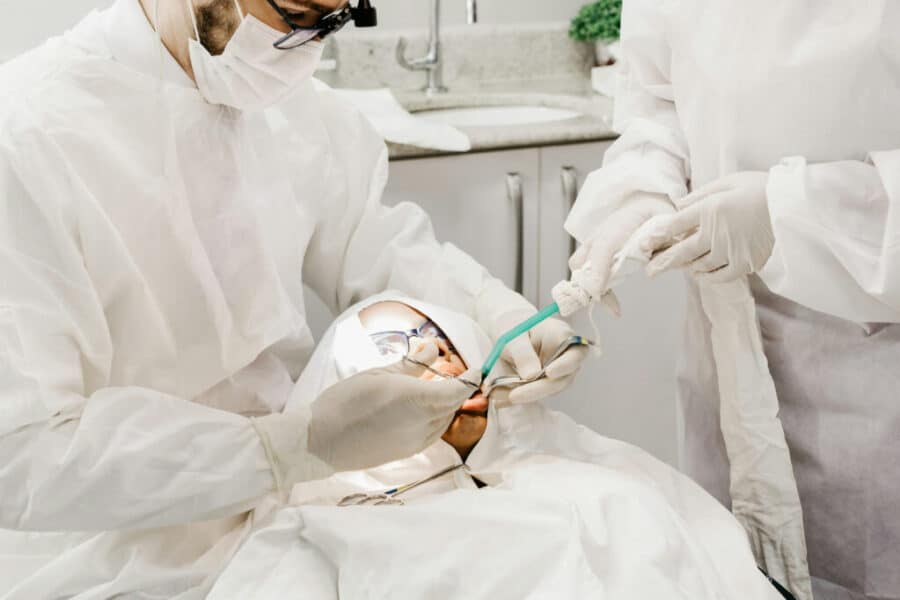

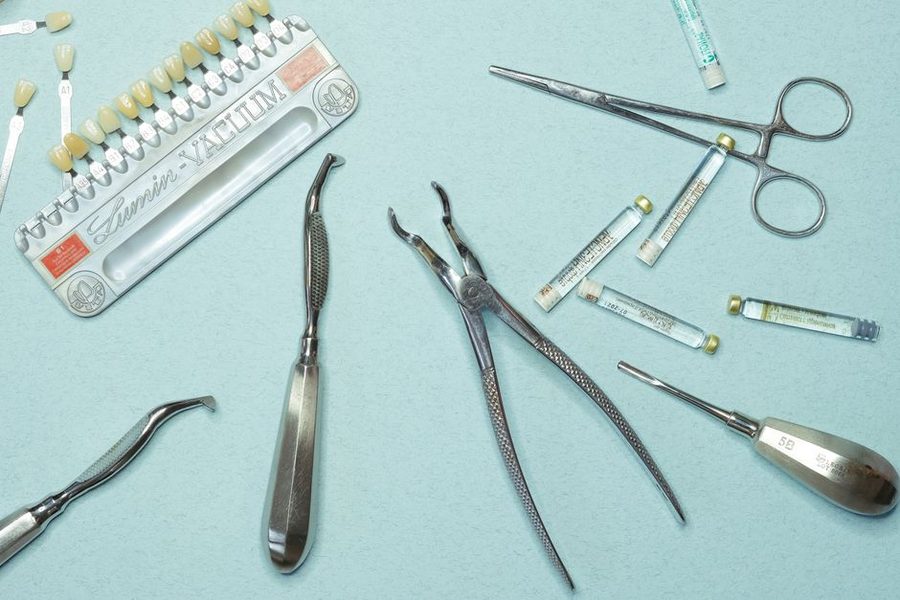
A dental emergency has a way of turning an ordinary day into a stressful one within minutes. A bite goes wrong at lunch, a child slips near the pool, a crown pops off before an important meeting, or a dull toothache becomes sharp enough to stop you in your tracks. In Bakersfield, where families juggle work, school, sports, and long commutes across town, people often hesitate for a little too long because they are not sure what actually counts as urgent.
That hesitation matters. In dental emergencies, timing affects pain, infection risk, and sometimes whether a tooth can be saved. The right response is not simply finding the nearest office and hoping for the best. It starts with staying calm, understanding what you are dealing with, and knowing what to do in the first few minutes before you are seen.
Over the years, one pattern stands out: people rarely regret calling too soon, but they often regret waiting. Many cases that start as manageable become more complicated after a night of swelling, a weekend of ignored pain, or an attempt to “tough it out” with home remedies that do more harm than good.
What actually counts as a dental emergency
Not every dental problem needs same-day treatment, but plenty do. A true dental emergency usually involves one or more of three things: significant pain, active bleeding, or a threat to the tooth or surrounding tissues. Infection also belongs in this category, especially if swelling is spreading or you feel unwell.
A cracked filling that is not painful may be urgent without being an emergency. A tooth knocked out during a basketball game is an emergency. A mild sensitivity to cold can usually wait for a scheduled visit. Facial swelling that is getting worse should not wait.
This is where judgment matters. Dentists see a wide range of situations that fall into the gray area, and the right answer depends on symptoms, not just the name of the problem. A chipped tooth can be cosmetic, or it can expose the nerve. A lost crown may seem minor, but if the underlying tooth is weak, waiting too long can make a simple recementation impossible.
If you are searching for an Emergency Dentist Bakersfield CA, the goal is not only speed. It is also getting triaged properly so the office can prepare for what you need, whether that is pain control, X-rays, drainage of an infection, splinting a tooth, or referral to an oral surgeon or hospital.
The first few minutes matter more than most people realize
When a dental emergency happens, people often make one of two mistakes. They panic and rush without doing basic first aid, or they downplay the issue and lose valuable time. The sweet spot is somewhere in the middle: calm, prompt, practical.
Here are the first steps worth taking:
- Control bleeding with clean gauze or a clean cloth and steady pressure.
- Rinse gently with warm water to clear blood and debris.
- Apply a cold compress to the outside of the cheek if there is swelling or trauma.
- Call a dental office right away and describe exactly what happened, when it happened, and what symptoms you have.
- If you have trouble breathing, uncontrolled bleeding, major facial trauma, or rapidly spreading swelling, go to the emergency room.
That short window before treatment can influence outcomes. A knocked-out permanent tooth has the best chance of being saved if it is handled correctly and seen quickly, ideally within 30 minutes, though treatment may still be attempted after that. Swelling from an infection can move from localized discomfort to a more serious problem faster than people expect. Even a broken tooth that seems stable can develop severe pain once air, temperature, and saliva reach exposed dentin or pulp.
When to call a dentist and when to go straight to the ER
This is one of the most common points of confusion. A dentist is usually the right first call for toothaches, cracked teeth, broken restorations, abscesses, and dental injuries involving the teeth and gums. Emergency physicians can help with pain control, antibiotics in certain situations, and serious trauma, but most ERs do not provide definitive dental treatment such as root canals, extractions, splinting, or crown repair.
The hospital becomes the right destination when the situation goes beyond the mouth and enters a broader medical emergency. That includes difficulty breathing or swallowing, severe facial swelling, suspected jaw fracture, loss of consciousness, uncontrolled bleeding, or trauma involving the head and neck. If a child falls and has a dental injury along with vomiting, confusion, or signs of concussion, the larger medical picture comes first.
In Bakersfield, access can vary by time of day. During normal office hours, your regular dentist may be able to fit you in quickly, even if the schedule looks full. After hours, weekends, and holidays, calling an office that provides emergency coverage is often the fastest route. Good emergency practices know how to separate “needs to be seen soon” from “needs to be seen now.”
What to do for the most common dental emergencies
A severe toothache
A true toothache is not always dramatic at the start. Sometimes it begins as pressure when you bite, a lingering response to cold, or a tooth that keeps you up at night. If pain is throbbing, wakes you from sleep, or comes with swelling, it deserves prompt evaluation.
Rinse with warm water. Floss gently to remove any food that could be wedged between teeth, because trapped debris can mimic more serious pain. Use an over-the-counter pain reliever if you can take it safely, following the label. Do not place aspirin directly on the gum or tooth. People still try this, and it can chemically burn the tissue. Avoid very hot, very cold, and very sugary foods until you are examined.
If the pain eases with medication, that does not mean the problem is gone. Teeth do not usually hurt intensely without a reason. Common causes include deep decay, a cracked tooth, gum infection, a dying nerve, or a failed filling.
A knocked-out tooth
This is one of the few dental emergencies where handling technique can significantly change the outcome. If a permanent tooth is completely knocked out, pick it up by the crown, not the root. If it is dirty, rinse it very briefly with clean water. Do not scrub it, do not wrap it in tissue, and do not let it dry out.
If possible, place it back into the socket and have the https://anotepad.com/notes/f74dmgwp person bite gently on gauze to hold it in place. If that is not possible, keep the tooth moist in milk or a tooth preservation solution if you have one. Saliva can be used in some situations, though this is less ideal. Then get to a dentist immediately.
Primary teeth in children are different. You generally do not reinsert a baby tooth because of the risk of damaging the developing permanent tooth underneath. That said, a child who loses a tooth from trauma still needs prompt dental evaluation to check the surrounding tissue, adjacent teeth, and bite.
A chipped, cracked, or broken tooth
Not every fracture feels the same. Some are little more than a rough edge. Others split the tooth deeply enough that each bite sends pain into the jaw. Rinse the mouth gently and save any pieces if you can. If the edge is sharp, dental wax from a pharmacy can help protect the cheek or tongue temporarily.
A visible crack combined with pain on release when biting often suggests a more complex fracture pattern. Those teeth can be tricky. Sometimes they are restorable with a crown. Sometimes they need root canal treatment first. Sometimes the crack extends too far. Early evaluation gives you the best chance of keeping treatment conservative.
A lost filling or crown
This is often less dramatic but still time-sensitive. Once a crown comes off, the tooth underneath may be exposed, sensitive, or structurally vulnerable. Keep the crown if you have it. In some cases, a dentist can clean it and recement it the same day if the fit is still good and the tooth is intact. If a temporary over-the-counter dental cement is used at home, it should be viewed only as a brief stopgap. Super glue does not belong anywhere near a tooth.
A lost filling can leave a crater that catches food and air. Temporary filling material from a pharmacy may reduce sensitivity for a short period, but it is not a substitute for treatment.
Swelling or a dental abscess
This is one of the situations people underestimate most often. Dental infections can begin around the tip of a tooth root or within the gums and then spread into surrounding tissue. Swelling, bad taste, pus drainage, pain when chewing, fever, or a pimple-like bump on the gum can all point to an infection.
What matters is that antibiotics alone rarely solve the underlying problem. The source usually needs to be drained, treated with root canal therapy, or removed. If swelling is growing, you feel sick, or your ability to swallow is changing, it becomes more urgent quickly.
Pain relief while you wait for care
Managing pain at home is about buying a short window of comfort, not trying to cure the issue yourself. A cold compress on the face can reduce swelling after injury. Saltwater rinses may soothe inflamed tissue. Soft foods and chewing on the opposite side can make the wait more tolerable.
Medication helps, but only if taken safely. Adults often do well with common over-the-counter pain relievers, assuming there are no medical reasons to avoid them. People with kidney disease, liver disease, ulcers, bleeding disorders, pregnancy, or certain prescription medications need to be more careful. Parents should avoid guessing at children’s doses and should use the child’s weight and product instructions.
It is worth stating clearly that clove oil, online hacks, and social media remedies are unreliable at best. Some merely delay proper care. Others cause burns, irritation, or mask symptoms without addressing a dangerous infection. The old-fashioned advice still holds up: rinse, cool, protect, call.
Bakersfield factors that can complicate a dental emergency
Location and timing affect dental care more than many people realize. Bakersfield is spread out, and traffic, work schedules, and after-hours access can make a “quick stop” harder than expected. It is smart to think ahead, especially for families with active children, people who travel for work, or anyone with a history of dental problems.
Heat can also be a factor. During hot months, dehydration tends to make people feel worse overall, especially if they are in pain or fighting infection. If someone has swelling, fever, and poor oral intake because chewing hurts, they can become rundown fast. That does not create the dental problem, but it can make the whole situation feel more severe.
Sports injuries are common too. Youth baseball, basketball, soccer, and backyard play produce a steady stream of chipped and displaced teeth. The families who handle these situations best are often the ones who already know where they would call and who keep basic supplies at home, including gauze, a cold pack, and a clean container.
How to talk to the dental office so you get the right help fast
When you call, clarity saves time. The person answering may need to triage quickly, and details matter. “My tooth hurts” is much less useful than “My lower right molar started throbbing yesterday, my cheek is swelling, and I cannot sleep.” Good front desk teams know what to ask, but patients who describe the problem well usually move through the process faster.
Be ready to explain when the problem started, whether there was trauma, whether there is swelling or fever, whether bleeding is controlled, and whether the tooth is loose, broken, or completely out. If you have the option, photos can help, especially for visible swelling, a fractured front tooth, or an avulsed tooth.
This is also the time to mention medical conditions, blood thinners, allergies, pregnancy, and any pain medication you have already taken. Those details change treatment decisions.
What treatment may look like once you arrive
Many people imagine that every emergency visit ends with the final procedure that day. Sometimes it does. Often it does not, and that is normal. The first goal is usually to diagnose the problem, stabilize it, control pain, and prevent it from worsening.
For example, a patient with a severe toothache may need X-rays, testing, and a pulpotomy or root canal start to calm the tooth, followed by a full root canal later. A person with facial swelling may need drainage and medication, then definitive treatment once the acute phase improves. Someone with a broken front tooth may need smoothing, bonding, or a temporary restoration first, then a final cosmetic repair once the area settles.
That stepwise approach is not a sign of incomplete care. It is good clinical judgment. Emergencies are about reducing immediate risk and preserving options.
Dental emergencies in children require a slightly different approach
Children bring extra variables. They may be frightened, unable to describe pain clearly, or unsure whether they swallowed part of a broken tooth. Parents are often trying to assess the dental injury while also calming a crying child, checking for head injury, and deciding whether they need to leave work or school immediately.
The biggest distinction is whether the injured tooth is primary or permanent. The eruption stage matters. So does the child’s age. A six-year-old with a front tooth injury may be in that transition period where assumptions are risky. If you are not certain which tooth it is, do not guess. Call and describe the child’s age and the situation.
Soft tissue injuries to the lips and tongue can bleed dramatically, even when the dental injury itself is modest. That visual can make things feel worse than they are, but it still deserves attention. A dentist can check for tooth fragments lodged in soft tissue, assess the bite, and determine whether the injury affected the developing teeth underneath.
Preventing the second emergency after the first one
One of the more frustrating patterns in emergency dentistry is the repeat problem. A patient has a temporary fix, feels better, and then delays the follow-up until the issue flares again. Temporary care is exactly that, temporary. If you leave with a sedative filling, a recemented crown on a weak tooth, or an infection that has only partially calmed, the next step matters.
A few habits reduce the odds of repeat emergencies:
- Wear a properly fitted mouthguard for contact sports and high-risk activities.
- Do not chew ice, hard candy, popcorn kernels, or use your teeth to open packages.
- Keep up with routine exams, because small decay and cracked fillings are cheaper and easier to treat early.
- Address grinding or clenching if your dentist has noticed wear, fractures, or sore jaw muscles.
- Follow through on recommended crowns, root canals, and extractions before pain forces the issue.
Prevention is not glamorous, but it is effective. Many “sudden” emergencies are really long-building problems that chose a bad moment to become obvious.
How to choose an emergency dental office in Bakersfield
When people search in pain, they often choose the first result they see. That is understandable, but a few practical factors are worth considering. Availability matters, but so does capability. Can the office handle trauma, urgent extractions, and endodontic emergencies, or do they mainly offer exams and referrals? Do they provide after-hours guidance? Are they clear about same-day expectations and fees?
A useful sign is how the office communicates. Strong emergency teams do not sound vague or dismissive on the phone. They ask pointed questions, explain next steps, and tell you what to bring. They give realistic guidance, not false reassurance. If the situation sounds beyond office-based care, they say so.
For anyone likely to need urgent care, parents of athletes, people with large existing dental work, and those new to town, it makes sense to identify an Emergency Dentist Bakersfield CA before a problem starts. Save the number. Know the office hours. Find out whether they see new patients for emergencies. That small bit of planning can spare a lot of stress later.
The mistakes that cause the most avoidable damage
Most bad outcomes in dental emergencies do not come from one dramatic error. They come from ordinary delays and small misconceptions. People wait because the pain comes and goes. They take antibiotics left over from an old prescription. They glue a crown in place. They ignore swelling because the tooth “doesn’t hurt that much.” They wrap a knocked-out tooth in a napkin, which dries the root cells. They assume the ER will fix the tooth definitively. They decide to wait until Monday.
Those choices are understandable. Pain is distracting, and most people are not trained to sort urgent from non-urgent. But if there is one principle worth remembering, it is this: a dental emergency usually improves when it is evaluated early and gets harder when it is managed casually.
The right response in Bakersfield is not complicated, but it does require urgency with a level head. Protect the area. Control bleeding. Keep a knocked-out tooth moist. Use safe, simple pain measures. Call promptly. And if the problem has moved beyond the mouth into breathing, swallowing, or major trauma, go where full medical care is available immediately.
When people do those things, even serious dental emergencies become more manageable. Pain gets under control faster. Teeth have a better chance of being saved. Infections are addressed before they spread. That is what responding the right way looks like.
Smyle Dental Bakersfield
2016 E St, Bakersfield, CA 93301, United States
+16614939040
FAQ About Emergency Dentist Bakersfield CA
What counts as a dental emergency?
Severe tooth pain, facial swelling, uncontrolled bleeding, a knocked-out or displaced tooth, and significant dental trauma may need prompt assessment. Trouble breathing or rapidly increasing swelling requires urgent medical help.
What should I do if a permanent tooth is knocked out?
Handle the tooth by the crown rather than the root, keep it moist, and contact a dentist immediately. Fast treatment can improve the chance of saving the tooth.
Can an emergency dentist treat severe tooth pain the same day?
Same-day care may be available depending on the cause and schedule. The dentist will examine the area, may take digital X-rays, and recommend treatment based on the diagnosis.
Should I go to the emergency room for dental swelling?
Seek urgent medical care for trouble breathing, difficulty swallowing, rapidly spreading facial swelling, or other severe symptoms. A dentist can assess the underlying dental cause and provide appropriate follow-up care.